Accuracy in the Industry: A Typical Day in the Experience of a Surveyor


The sphere of land surveying is often hidden from public eye, yet it carries a crucial role in the advancement and upkeep of our man-made environment. From identifying property lines to supporting in intricate construction initiatives, surveyors are the unseen experts who ensure that all detail is precise and true. Comprehending their work can clarify the importance of their role in everything from property sales to urban development.
In this article, we will examine what a surveyor does, the diverse types of professionals in surveying, and the notable benefits of hiring a specialist in this industry. We will also walk you through the fundamentals of choosing the right surveyor for your unique needs and explore the modern tools that improves their work. Whether you are starting a property acquisition, planning a construction job, or merely interested about the surveying profession, this reference will provide you with insightful insights into the day-to-day activities of a surveyor and the essential services they offer.
Comprehending the Function of a Land Surveyor
Land surveyors play a important role in numerous sectors, delivering essential assistance that assist determine land perimeters, guarantee accuracy in construction activities, and facilitate real estate deals. They are tasked with calculating and surveying land, which involves using cutting-edge tools and equipment to create precise land surveys. A land mapping specialist, for instance, will examine the geographical characteristics of a plot of land while a building surveyor will concentrate on the structural integrity and adherence of buildings inside that environment. This difference emphasizes how these professionals contribute distinctively due to their field of focus, making sure all elements of a construction effort are correctly represented.
In regular practices, land surveyors are crucial for land development and property deals. They help purchasers and vendors understand the exact measurements and boundaries of lands, which can avoid disputes in the afterwards. Additionally, they evaluate landform elements, which can influence land application and development plans. Their analyses often contain valuable insights that informs decisions on investments, construction, and site improvement, emphasizing their role as integral stakeholders in the real estate industry.
As the necessity for growth grows, so too does the value of modern tools in surveying. Current land surveyors employ tools such as GPS, unmanned aerial vehicles, and software for three-dimensional rendering, increasing the speed and correctness of their functions. This fusion of tools not only optimizes the assessment method but also raises the detail and exactness of the results gathered. Therefore, understanding the varied function of surveyors and their evolving techniques can assist clients appreciate their importance in facilitating effective project outcomes.
Choosing the Best Surveyor
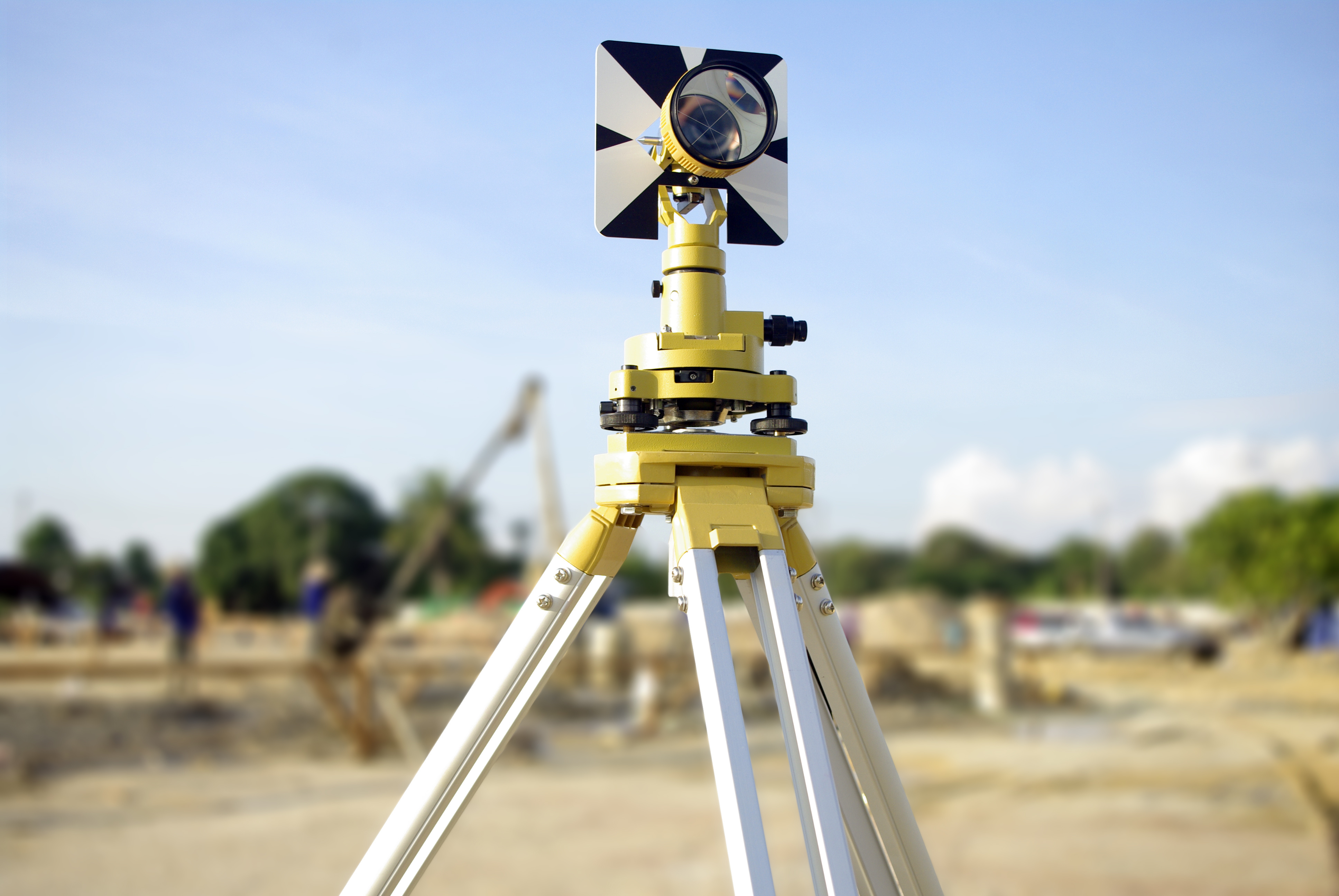
Choosing the appropriate surveyor for your endeavor can significantly affect the outcome and ensure that your expectations are met effectively. Begin by assessing your individual requirements and identifying the sort of surveyor that corresponds to your endeavor's aims. For instance, if you are involved in land limits, a land surveyor is essential, while a building surveyor is more appropriate for construction-related assessments. Understanding these distinctions can guide you in narrowing down your options.
Then, consider the experience and certifications of potential surveyors. Look for professionals who hold relevant certifications and memberships in respected surveying bodies. A surveyor with a established track record in similar projects can provide knowledge that are invaluable. Additionally, checking references and feedback from past clients can provide a view into the surveyor's dependability and standard of service.
Ultimately, communication plays a vital role in the selection process. A good surveyor should be able to explain complex concepts in simple terms and be reactive to your concerns. During first consultations, pay care to how they interact with you and whether they take the time to comprehend your requirements. Open and open communication will help ensure that both parties are aligned throughout the project, leading to a more efficient and more effective surveying process.
The Impact of Surveyors on Property Development
Land Surveyors play a key role in the property development process, ensuring that projects run seamlessly and adhere to legal regulations. They are responsible for assessing land, establishing property boundaries, and providing necessary data that guides design and construction plans. By executing thorough land surveys, surveyors uncover potential challenges and opportunities, enabling developers to make educated decisions that can considerably affect the project's success.
In addition, surveyors facilitate interaction between various parties, including architects, engineers, and planners. Their skills helps to interpret technical information into actionable insights, ensuring that everyone in the project is on the same wavelength. This partnership minimizes mistakes and discrepancies, leading to more efficient project execution and ultimately saving time and expenses.
In addition, the involvement of qualified surveyors enhances the worth of the property being developed. With their understanding of zoning laws and land use regulations, they help ensure that developments meet community standards and can be employed effectively. This preemptive approach not only helps in achieving compliance but also in maximizing the potential return on investment for developers, making surveyors an essential part of the property development landscape.